India is the world’s second-largest producer and consumer of tobacco, a crop deeply woven into its economic and cultural fabric. Yet today, that foundation is beginning to crack. While the tobacco industry supports over 45 million livelihoods, much of this employment, especially among women who hand-roll bidis or process smokeless products, is informal, underpaid, and hazardous.
Tobacco cultivation in India is becoming unsustainable
As a signatory to the World Health Organization (WHO) Framework Convention on Tobacco Control (FCTC), India has capped the area under tobacco cultivation and can no longer promote its expansion. This means the country must now find a way to earn more from less, which means boosting returns without increasing output.
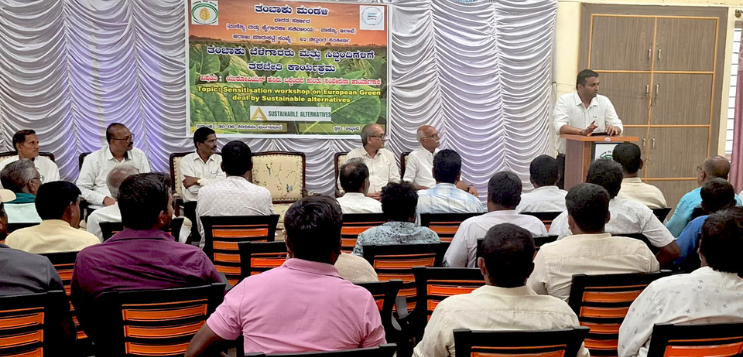
At the same time, farmers are grappling with stagnant or declining incomes, and many are growing uneasy about tightening international regulations, especially the European Union’s Green Deal, which could impact tobacco-related exports in the years ahead. Switching to alternative crops sounds like a logical step, but in reality, it’s a difficult choice.
At the moment, tobacco remains one of the few crops that guarantees a ready market. The real concern is: how long will that last?
On the consumer side, the picture is equally troubling. Smokeless tobacco products like khaini, gutkha, and pan masala, used by nearly 200 million Indians, are typically made in unregulated, informal setups. These products are among the leading causes of India’s second-highest global burden of oral cancer, and the healthcare costs associated with their widespread use are placing enormous strain on public health systems.
India stands at a crossroads. To protect livelihoods, reduce tobacco-related harm, and make its tobacco sector future-ready, the country must shift from raw tobacco production to higher-value, alternative products and advanced processing.
From raw tobacco leaf to high-value tobacco products
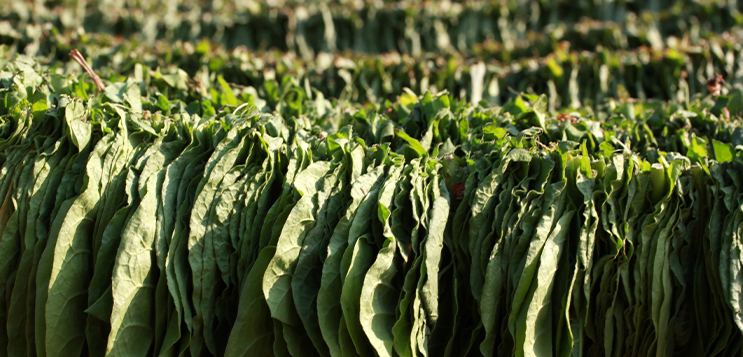
Currently, much of India’s tobacco is exported as raw or semi-processed leaf. While export volumes have risen, the value per kilogram remains low, averaging just ₹279 to ₹300 at auctions. However, the real money lies not in selling the leaf but in what you make from it.
Products like nicotine pouches, gums, snus, and pharmaceutical-grade extracts are commanding global attention and price premiums. For example, nicotine pouches alone represent a $5.5 billion global market, projected to grow more than tenfold over the next decade. These products are often made using nicotine extracted from tobacco, a process that can earn over ₹8,000 to ₹10,000 per kg, far beyond what raw leaf fetches.
By developing domestic infrastructure to manufacture these products, India could generate significantly more revenue from far smaller tobacco harvests. In addition, it will also align perfectly with both WHO goals and boost farmer income.
Less is more in the tobacco industry
India has already seen success with a “produce less, earn more” model. In 2023–24, flue-cured Virginia (FCV) tobacco prices hit record highs, with top grades reaching ₹411 per kg, thanks to tighter crop planning. This model benefits both the government and the tobacco farmers. However, its impact could be even greater if tobacco were processed domestically into higher-value alternatives.
Imagine factories in Guntur or Mysuru buying directly from farmers to produce nicotine extracts, rather than shipping raw leaf abroad. Farmers could earn more per acre, reduce land under cultivation, and gain more resilient income streams.
Better employment opportunities within the tobacco industry
Modernising smokeless tobacco production can also address India’s massive informal labour issue. Over 7 million women hand-roll bidis in home-based setups with poor hygiene and little protection. Shifting this production to modern, enclosed facilities could improve safety, formalise employment, and offer better wages. It also creates new jobs, in areas such as processing, logistics, quality control, marketing and compliance.
Thus, by investing in alternative tobacco manufacturing, India can transition bidi workers into safer, dignified factory roles and offer upward mobility to their families.
An opportunity that cannot be missed
From Sweden’s successful switch to low-harm snus to Zimbabwe’s pivot from leaf to cut rag and cigarette exports, there are countless examples. Furthermore, India is also blessed with both the raw materials and human capital needed for this revolution.
In addition, the government’s Make in India initiative could also extend to these high-value products, creating a new global export vertical. Moreover, agencies like the Tobacco Board could evolve to support not just farmers but processors, innovators, and health-conscious manufacturers.
This transformation also does not encourage further tobacco use. Instead, with tight regulations, harm reduction standards, and independent product testing, India can produce safer alternatives that reduce disease burden while still generating income for those who work in this industry.
Frequently asked questions
Why does the article say tobacco cultivation in India is becoming unsustainable?
According to the article, India has capped the area under tobacco cultivation as a signatory to the WHO Framework Convention on Tobacco Control and can no longer promote its expansion. Farmers face stagnant or declining incomes and uncertainty over regulations such as the EU Green Deal, while switching to alternative crops remains a difficult choice. On the consumer side, smokeless products used by nearly 200 million Indians are linked to India’s heavy burden of oral cancer.
What does “less could be more” mean for India’s tobacco industry?
It means earning more from smaller harvests. The article notes that raw leaf averages just ₹279 to ₹300 per kg at auction, while nicotine extracted from tobacco can earn over ₹8,000 to ₹10,000 per kg. It cites 2023–24, when flue-cured Virginia tobacco prices hit record highs of up to ₹411 per kg for top grades, thanks to tighter crop planning.